A responsible minimum—not a luxury build

A seahorse tank setup for under $560.

For a beginner keeping one pair of large captive-bred seahorses, start with a 29-gallon tall aquarium, reliable biological filtration and stable, cool water. Spend first on water quality—not gadgets.

See the minimum list
Low cost does not mean undersized.

Small aquariums can change temperature, salinity and ammonia levels quickly. A used 29-gallon tank with simple equipment is generally a better beginner value than a new nano aquarium packed with expensive accessories.

Buy these first

The minimum equipment

Every item below performs a necessary job. The linked products are example Petco matches; correct sizing, safe installation and consistent maintenance matter more than brand names.

01

29-gallon tall aquarium

A practical minimum for one pair of large, tropical captive-bred seahorses. More water is easier to keep stable, and height matters for normal courtship behavior.

Petco shopping list

Budget approachUse an existing level, aquarium-rated surface if you have one. If buying the tank used, inspect the seams and never use a tank that has held copper medication.
02

Gentle biological filtration

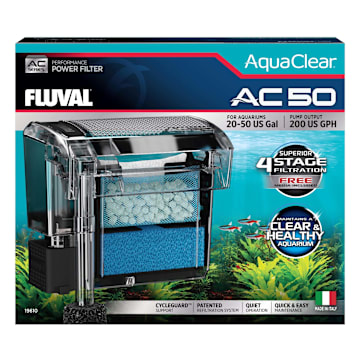
A hang-on-back filter or properly sized sponge-and-power-filter combination can work. Aim for roughly 3–5 tank volumes per hour with calm resting areas.

Petco shopping list

Budget approachA sump is not required. Use a spray bar, sponge or flow deflector if the return pushes the animals around.

03

Adjustable temperature control

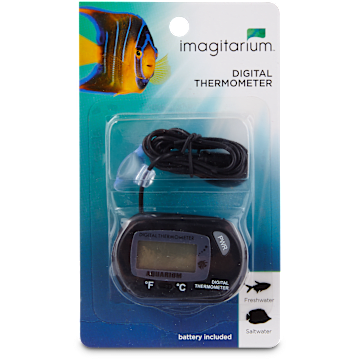
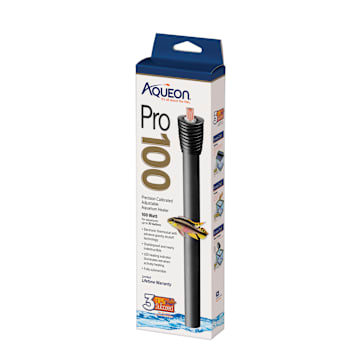
For common tropical large seahorses, set the heater within a stable 72–74°F range unless your breeder gives species-specific guidance. Verify the actual water temperature with a separate thermometer.

Petco shopping list

Budget approachAn adjustable heater can add heat but cannot cool the water. Use room climate or a fan, and add a chiller if the aquarium cannot reliably stay at or below 74°F.

04

Saltwater and testing tools

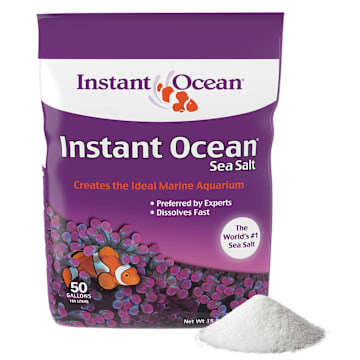
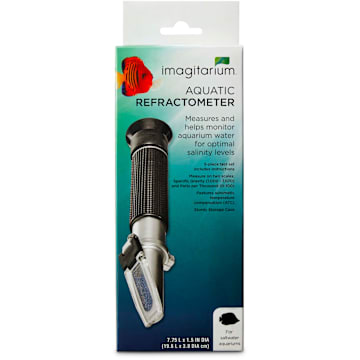
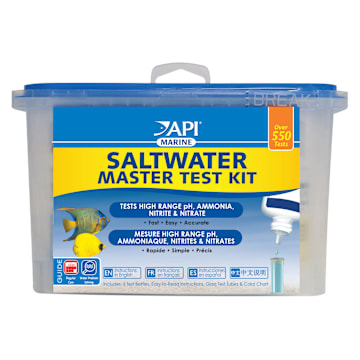
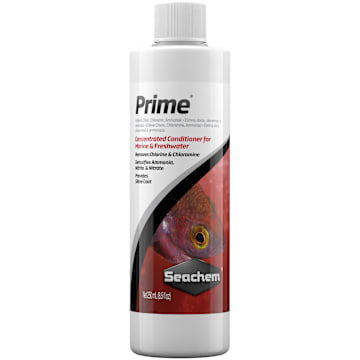
You need marine salt, a refractometer, dechlorinated or purified water, and tests for ammonia, nitrite and nitrate. Ammonia and nitrite must be zero before livestock is added.

Petco shopping list

Budget approachA basic liquid test kit is enough at first. Calibrate the refractometer rather than relying on an inexpensive swing-arm hydrometer.

05

Rock, hitching posts and open space

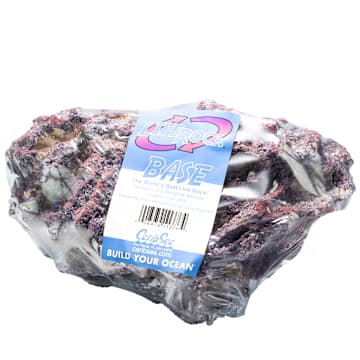
Use cycled rock or other established biomedia plus several smooth hitching places at different heights. Keep intakes guarded and leave room for swimming.

Petco shopping list

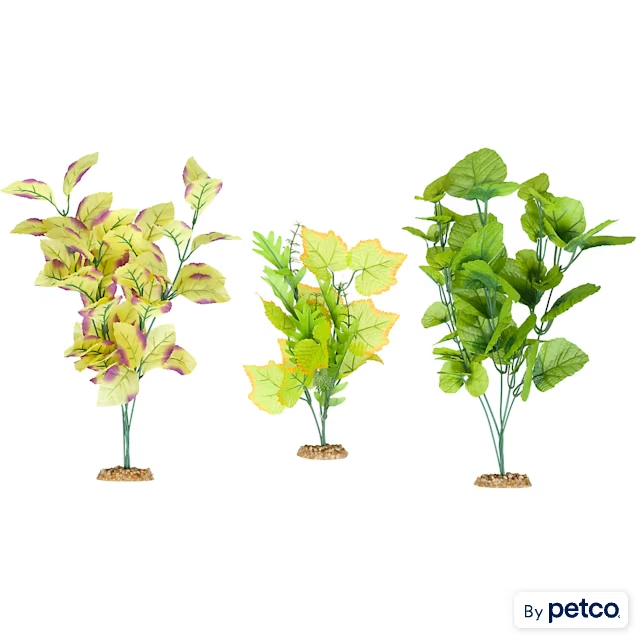
Budget approachDry base rock and aquarium-safe silk plants cost less than premium live rock and decorative corals.

06

Simple light and secure lid

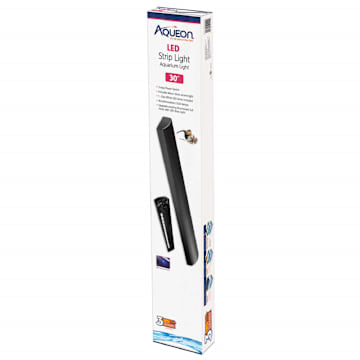
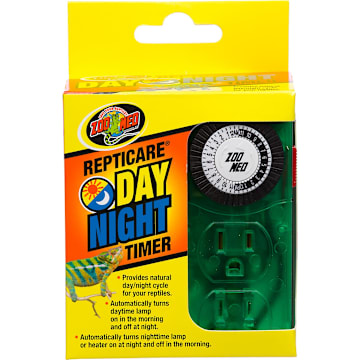
Seahorses do not require expensive reef lighting. A basic timer-controlled aquarium light is enough for viewing and easy plants or macroalgae.

Petco shopping list

Budget approachSkip high-output coral lighting until you intentionally add light-demanding corals.

07

Cleaning and feeding supplies

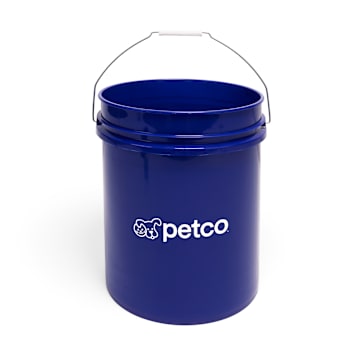
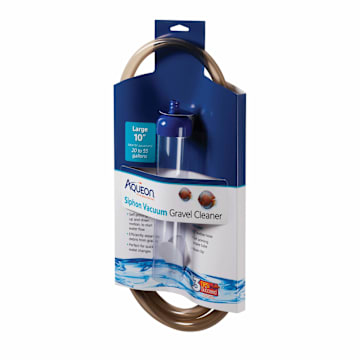
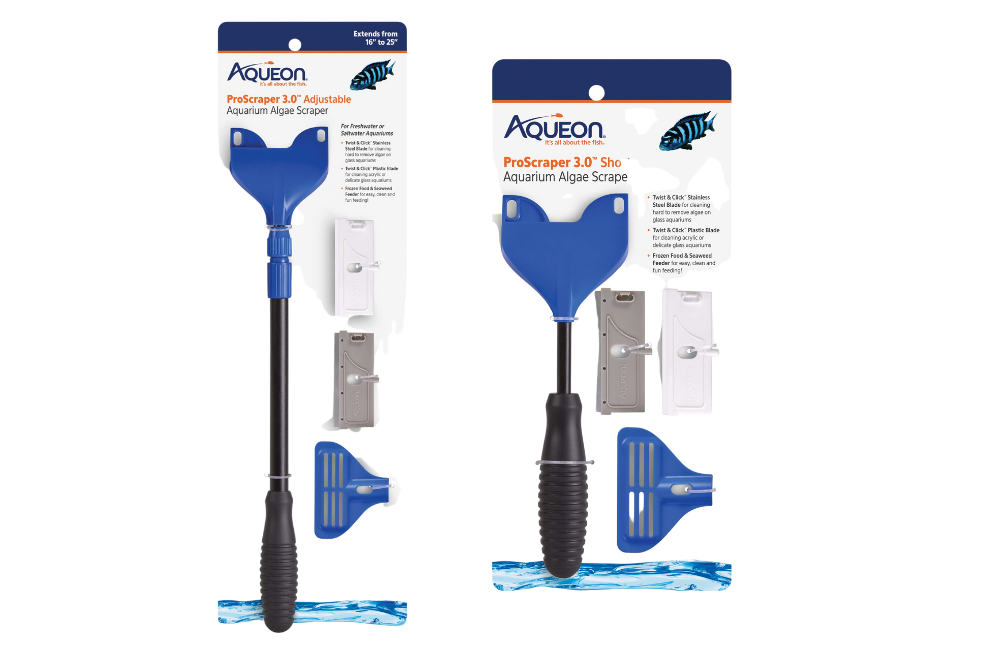
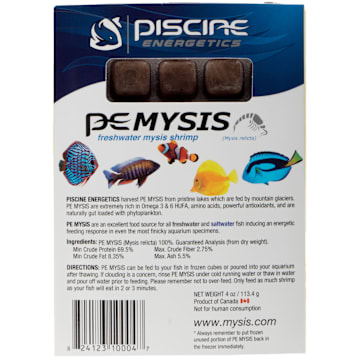
Keep a dedicated bucket, siphon, algae scraper, feeding tool or station, and frozen mysis. Expect to remove uneaten food frequently.

Petco shopping list

Budget approachSimple hand tools work. Automation cannot replace observing every feeding.

Before livestock

Water must be stable

A clear tank is not necessarily a cycled tank. The biological filter must be able to process waste before seahorses arrive.

0Ammonia
0Nitrite
<20Nitrate ppm
1.020–1.024Specific gravity
8.0–8.3pH guidance
StableTemperature

Take your time

Setup sequence

There is no responsible instant setup. Let test results—not a calendar date—tell you when the aquarium is ready.

  1. 01

    Assemble

    Leak-test the aquarium, place it on a level aquarium-rated surface, install guarded filtration and arrange open swimming space with multiple hitching points.

  2. 02

    Mix

    Prepare saltwater and verify salinity with a calibrated refractometer. Run the complete system and confirm that temperature stays stable.

  3. 03

    Cycle

    Establish the biological filter using an ammonia source. Do not add seahorses while ammonia or nitrite is detectable.

  4. 04

    Prove stability

    After the cycle completes, keep testing and practicing water changes. Confirm the aquarium remains stable before ordering livestock.

  5. 05

    Add slowly

    Begin with one compatible pair of captive-bred seahorses from a reputable breeder. A species-only tank is easiest for a beginner.

Save your money at first

Upgrades that can wait

Important exception

Dwarf seahorses need a different plan.

Hippocampus zosterae are not a cheaper miniature version of this setup. They are normally kept in a dedicated 5–10 gallon aquarium and require live enriched baby brine shrimp feeding, specialized filtration and stricter control of tank mates and pests.

Sources and next steps

This page is a conservative starting point based on the Seahorse.org captive-bred seahorse care guide ↗ and Seahorse.com setup guidance ↗. Confirm the exact temperature, adult size and feeding requirements with the breeder of the species you plan to keep.