
The keeper behind the reef
Four decades of fascination.
I’m a father of four in Utah, an aquarium keeper on and off over the years, and still every bit as fascinated by seahorses as I was when I first discovered them more than 40 years ago.

Where it began
An ad in Boys’ Life
My interest in seahorses started more than 40 years ago, when I saw this ad in a Boys’ Life magazine. The idea that such extraordinary animals could live in an aquarium stayed with me.
I’ve kept seahorses on and off ever since. Over those years, I’ve cared for dwarf seahorses and Hippocampus kuda, reidi, and erectus. I’ve also raised baby dwarf and reidi seahorses—experiences that taught me just how different each species and life stage can be.
My tanks today
A reef built around seahorses
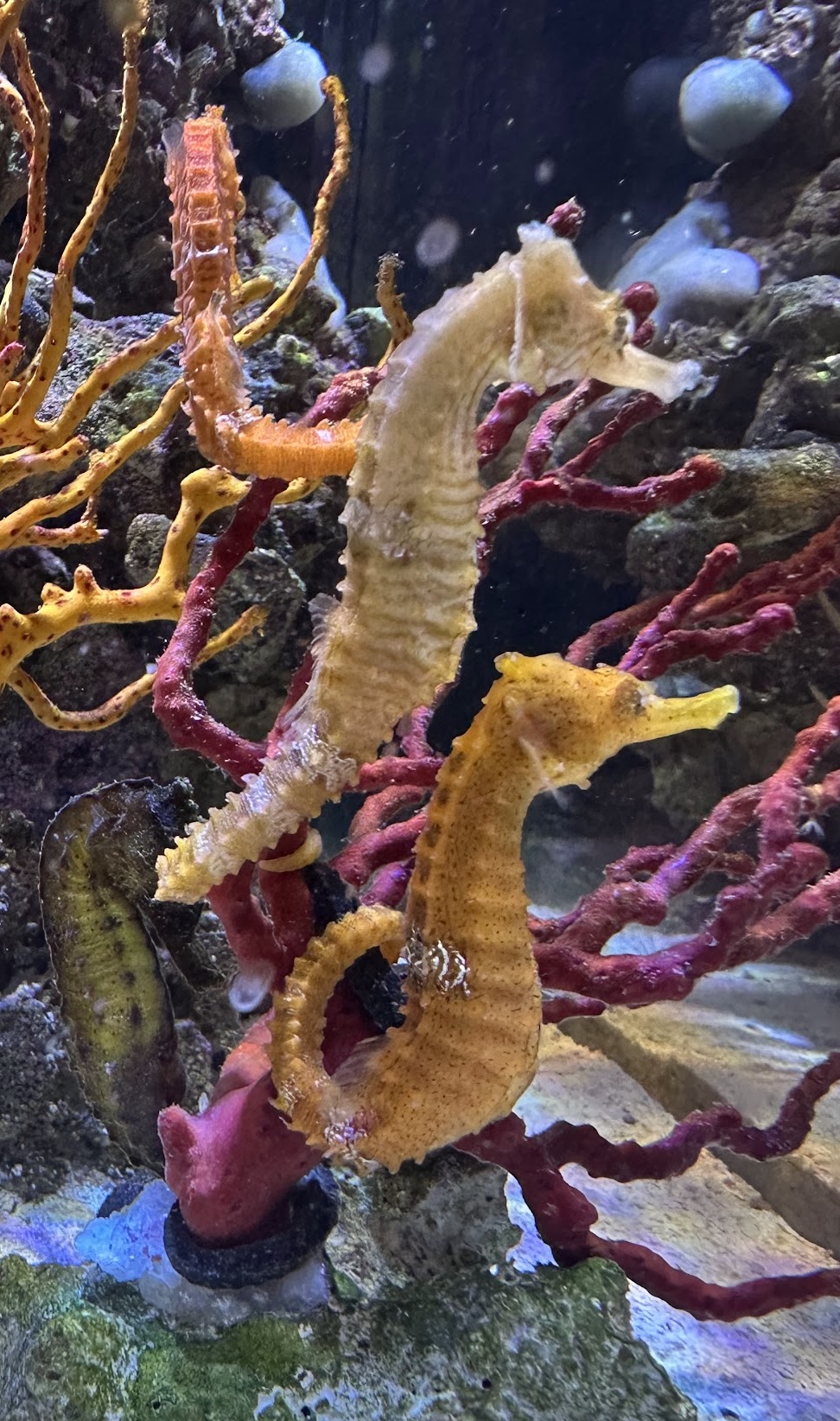
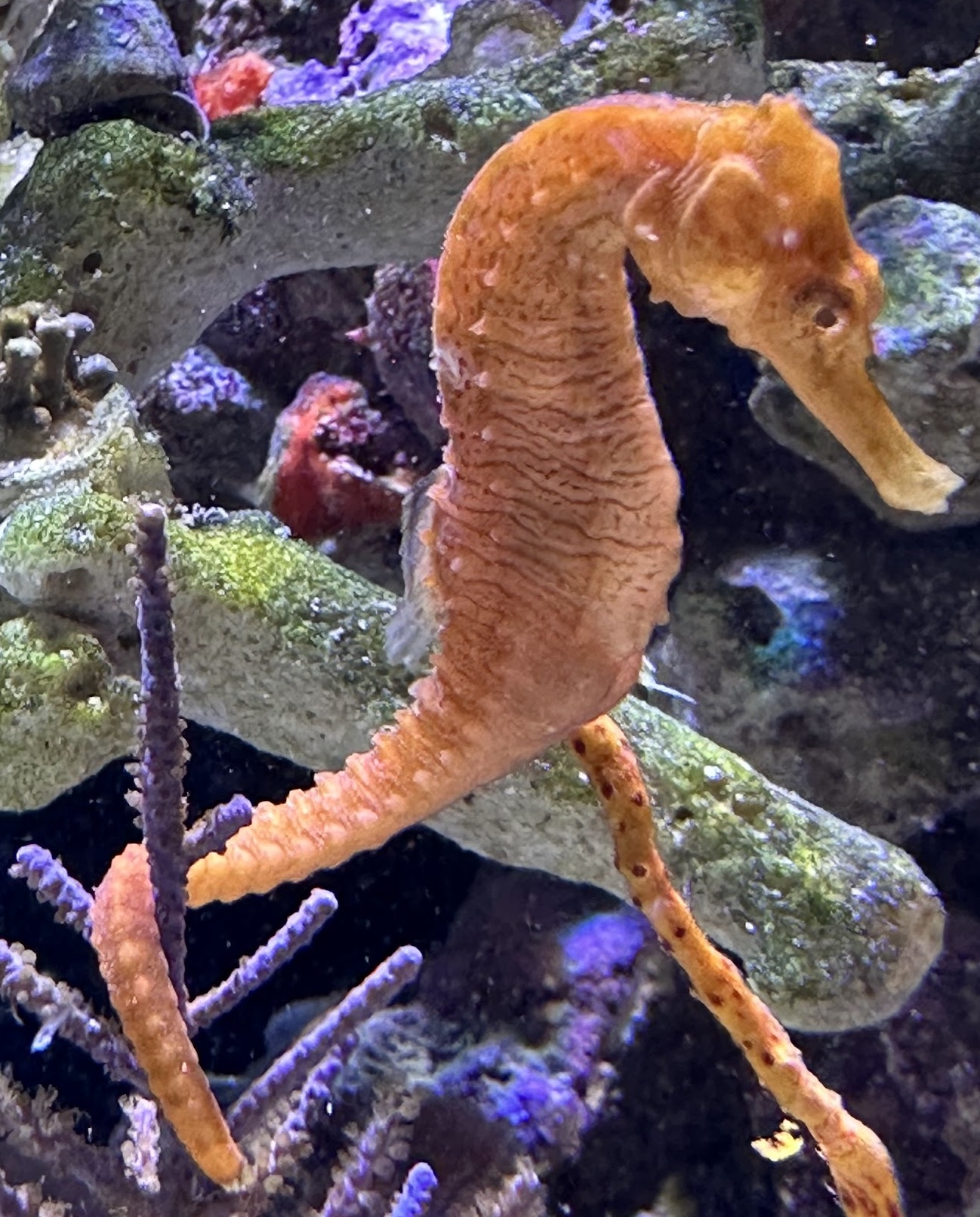
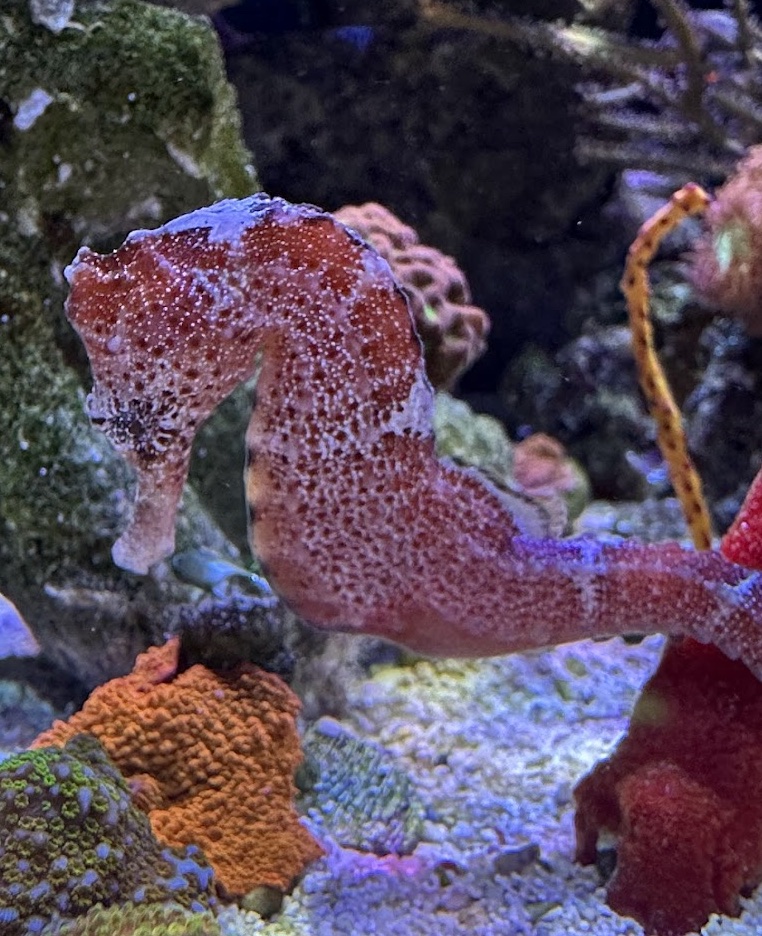
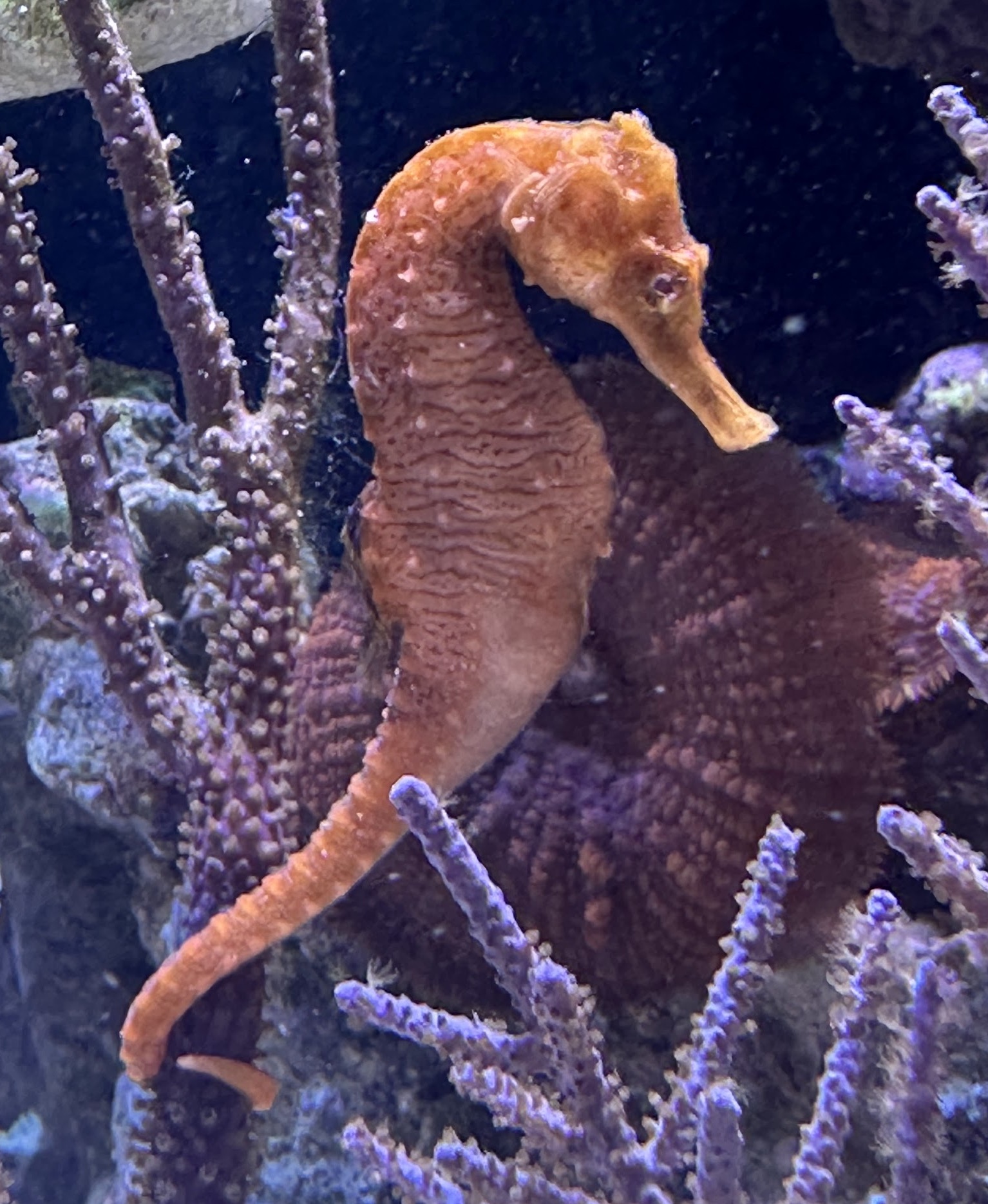
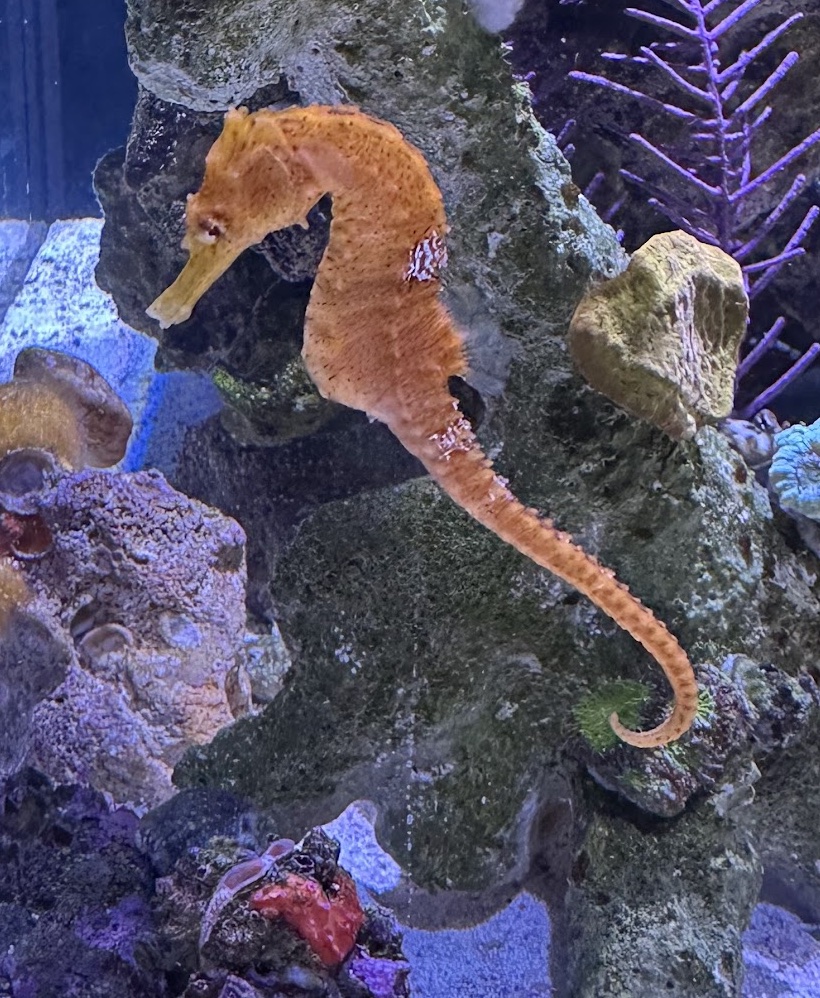
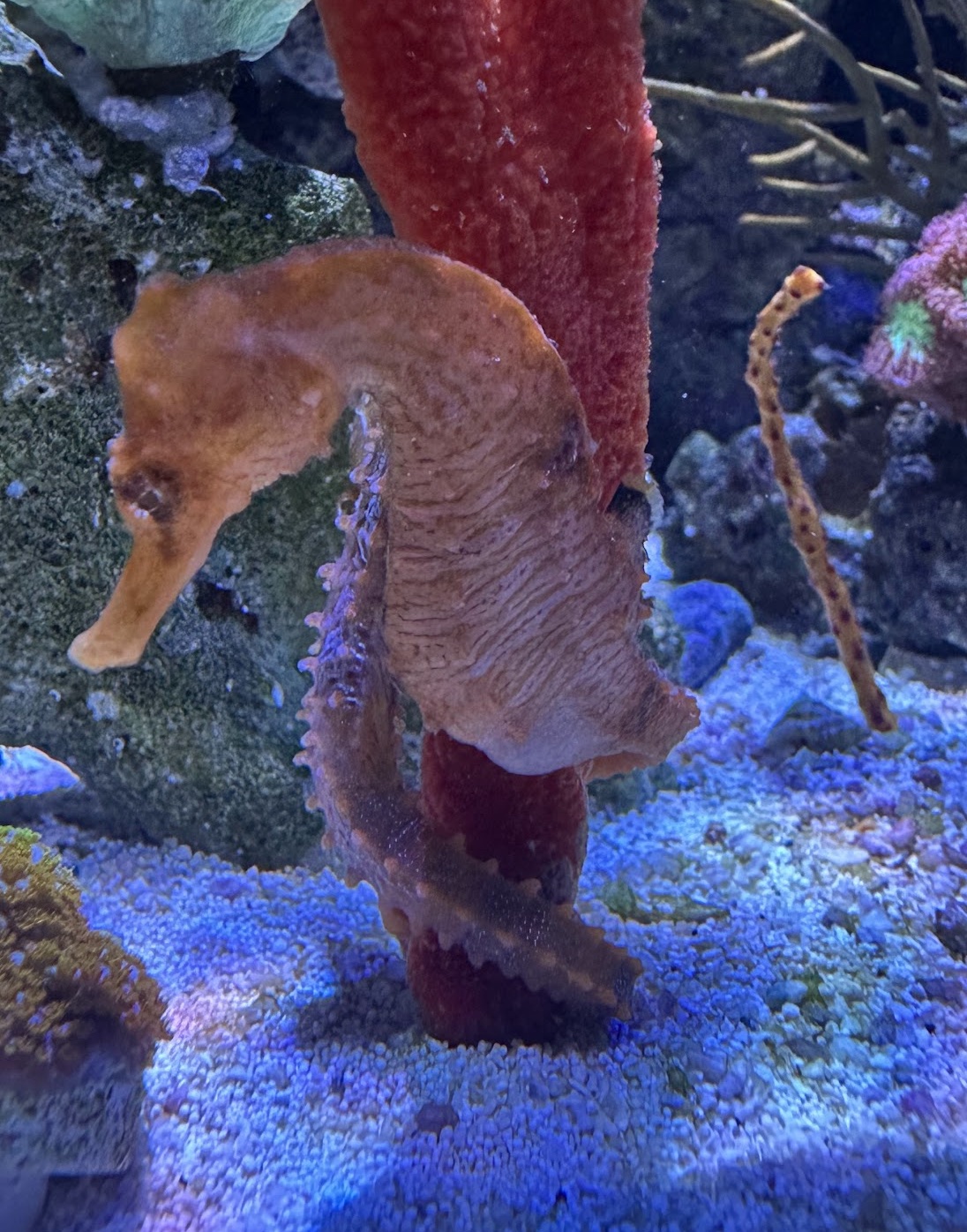
My tanks have ranged from just a few gallons to 75 gallons. Today, my main display is a 75-gallon seahorse reef with four erectus and two reidi seahorses.
I also keep a separate 29-gallon aquarium for corals that are not compatible with seahorses. That separation gives me room to enjoy more demanding or aggressive corals without compromising the seahorses’ environment.
Alongside the seahorses and coral, I’ve also been working on breeding clownfish. There is always something new to observe, test, and learn.
What I’m exploring
Can seahorses and SPS thrive together?
I’m currently testing the common belief that seahorses and SPS corals cannot share a successful aquarium. My approach creates different zones within the same tank: stronger light and higher flow near the top for the SPS, with gentler flow and lower light toward the bottom for the seahorses.
This is an ongoing personal experiment—not a blanket recommendation. I watch the animals and coral closely and adjust the system around their behavior, feeding, and health.
Why Seahorse Reefer exists
Experience shared honestly.
This site is where I share what has worked in my own aquariums, the animals I’ve learned from, and the products and practices I genuinely use. Seahorse keeping rewards patience—and I hope these guides help other keepers build thoughtful, healthy systems of their own.